

I Thought I Had Already Grieved That Part of My Life
Two days ago, my daughter called me in tears. I could hear the pain in her voice before she even finished telling me what had happened. Her dad, my former husband, had been moved to hospice care.
When we ended the call, I sat for a long time with my thoughts. I expected to think about our divorce, the difficult years, and everything that had gone wrong between us, but my mind went somewhere else entirely.
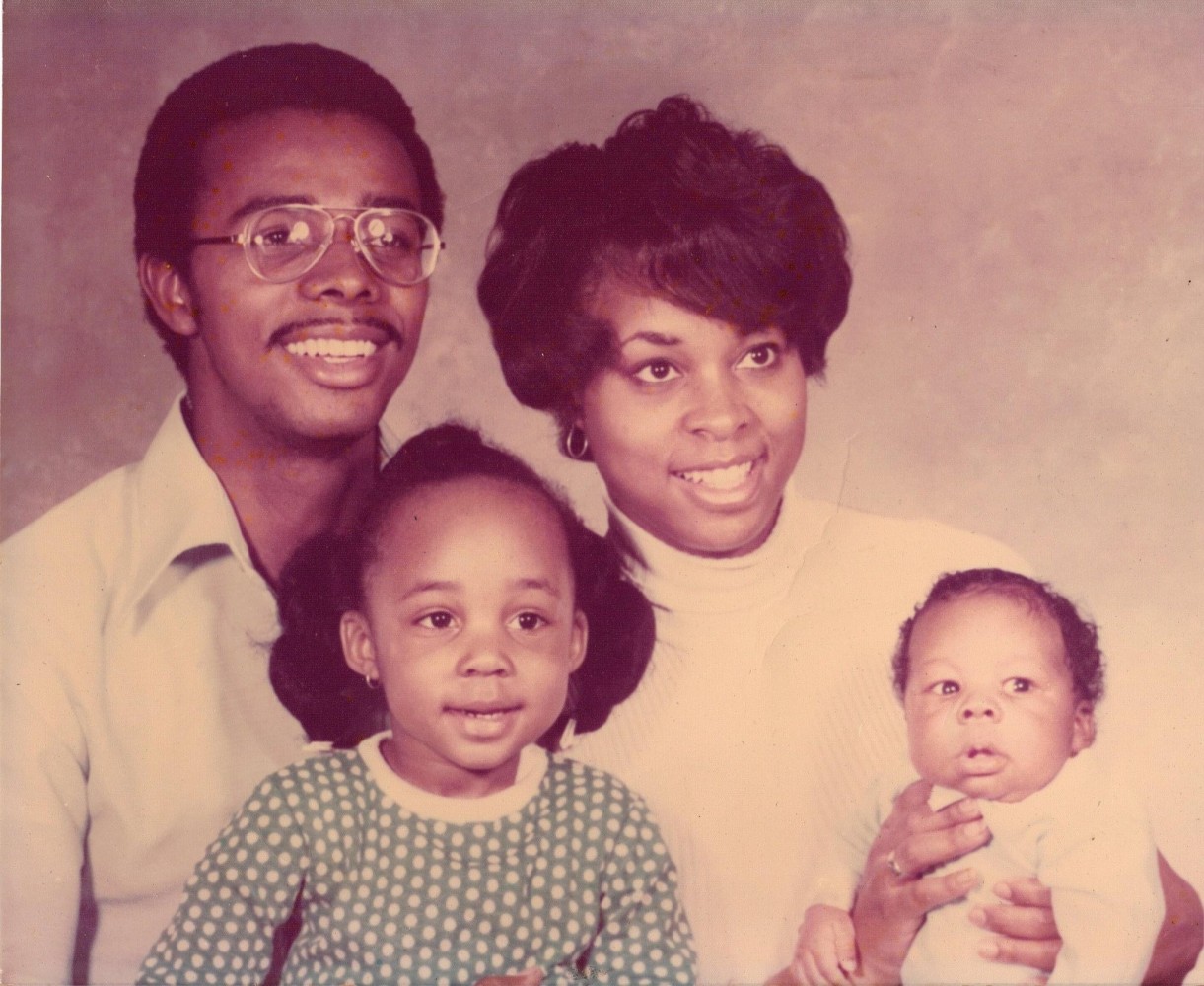
I found myself remembering two young people who once believed they would spend the rest of their lives together. We were young, in love, and convinced that the future we imagined was the future we would have.
We married young and grew up together. We had two wonderful children, first a daughter and then, three years later, a son, and like many young couples, we believed our family and our future were already decided.
But life does not always follow the plans we make when we are young. Sometimes the road takes us somewhere we never expected to go.
We divorced more than 46 years ago. He went on to marry seven more times, while I never remarried, and I learned how to raise our children on my own.
There was no easy roadmap for me to follow. I eventually moved our children from Chicago to California and built a life I once could not have imagined for myself.
For many years, I carried pain from that marriage with me. The pain was not only about losing the relationship or becoming a single mother, but also about watching our children grow up without the father we had hoped they would have.
That part hurt in a different way. When you are a mother, you can sometimes carry your own heartbreak and keep moving, but seeing your children hurt can reach a much deeper place in your heart.
As the years passed, I began to see our marriage differently. I understood that there were two people in that relationship, and we both brought our own experiences, struggles, hopes, and limitations into it.
I had my part, and he had his. Time has a way of giving us a perspective that is almost impossible to have when we are in the middle of a painful chapter of our lives.
As I grew older, I also began to wonder whether my former husband had been dealing with challenges that we simply did not understand at the time. I sometimes wondered whether he may have been on the autism spectrum, perhaps what people once called Asperger's syndrome.
I may be right, or I may be wrong. At this point in my life, knowing the answer matters much less to me than what happened inside my own heart when I began to consider that possibility.
I started to see him as a human being who may have been struggling in ways neither of us understood. That understanding did not erase what happened, but it gave me another way to look at the person he had been.
A few weeks ago, our daughter and our son went to visit their dad in a nursing home. The father they remembered had been a tall man, six feet two inches, but the man they saw that day was sitting in a wheelchair and could no longer walk.
When they came home, I could see the heartbreak on their faces. They did not need to explain how difficult the visit had been because a mother can sometimes see pain before her children have the words to describe it.
Then my daughter called me this week. She was crying, and I wanted more than anything to make the pain disappear for her.
But I could not fix this for her. I searched for the right things to say, but every sentence I thought of seemed too small for what she was feeling.
Later, she sent me an article from Grief.com about what to say and what not to say when someone is grieving. Reading it helped me understand something I wish I had known sooner.
She was not asking me to take away her grief. She did not need me to find the perfect words or make her feel better.
She simply needed her mom to be there. Sometimes being there for someone we love means staying present even when we cannot change what is happening.
Since that phone call, my own tears have surprised me. I have found myself crying in ways I did not expect, and I have had to ask myself why this loss is touching me so deeply.
I know I am not grieving because I want our marriage back. I am not grieving because I have forgotten the difficult years, and I am not pretending that the pain never happened.
Something much deeper is happening inside me. I think I am finally hearing what my heart has been trying to tell me for all these years.
“I don’t think I am grieving only the man. I think I am grieving the life we once believed we would have together.”
I have read those words over and over again. Each time I read them, I understand a little more about the kind of grief that can come when a chapter of your life is ending for good.
I think I am grieving the young woman I once was. I am also grieving the young man he once was, before life changed us and before we became the people we would eventually become.
I am grieving the life we imagined when we were young. I am grieving the birthdays, holidays, family gatherings, grandchildren, and ordinary moments we once believed we would share as the years went by.
There are so many things we assume will happen because we are young and because the future feels endless. We imagine sitting around the same table, watching our children become parents, growing older together, and sharing the stories of everything we survived.
Sometimes those things happen. Sometimes they do not.
Seeing my children grieve their father has broken my heart in a way I never expected. No matter how old our children become, there can still be a little part of them that wants their mother and father to be together, safe, healthy, and present.
That is one of the hardest truths about grief. We can become adults, raise families of our own, and live full lives, but some childhood hopes never completely disappear.
For years, I believed forgiveness meant forgetting. I thought that if I had truly forgiven someone, I should no longer feel pain when I remembered what happened.
Today, I see forgiveness differently. I can remember the hurt and still remember the laughter, and I can acknowledge the disappointment while also remembering two young people who once believed they were building a beautiful life together.
Both memories can be true. The love was real, and the pain was real.
The marriage ended, but that does not mean every memory inside it became meaningless. Our children came from that relationship, our family began there, and many important parts of my life were connected to those years.
I think many of us live by an invisible rule that tells us we must choose only one feeling. We tell ourselves that if someone hurt us, we should not miss them, and if we have forgiven someone, we should not still feel sad.
But real life does not work that way. The human heart is much bigger and more complicated than those rules allow us to believe.
We can be grateful and heartbroken at the same time. We can forgive someone and still remember what they did, and we can love parts of a person without wanting to return to the relationship we once had with them.
There is nothing wrong with holding more than one feeling at the same time. In fact, I think that is part of what it means to grow older and understand life with greater compassion.
I do not know how many days my former husband has left. I do not know what will happen next, and I know there are some things no amount of thinking, remembering, or wishing can change.
What I do know is that I do not want my final thoughts about him to be filled with anger. I have carried enough anger for one lifetime, and I no longer need to carry it into the future.
I want to remember the whole story. I want to remember the pain without allowing it to erase the good memories, and I want to remember the young woman I was without judging her for the choices she made.
Most of all, I want to have compassion for the people we both became. We were young, we made mistakes, we loved, we hurt each other, we raised children, and we continued living after the life we imagined together came to an end.
Maybe grief is not always about wanting something back. Sometimes grief is about finally saying goodbye to the life we thought we were going to have.
Maybe forgiveness is not about pretending the past was different. Maybe forgiveness is being able to look at the past honestly and still decide that your heart does not have to remain trapped there.
I thought I had already grieved that part of my life. Now I understand that grief can return when we least expect it, especially when someone who was once such an important part of our story is nearing the end of theirs.
This time, I am not fighting the tears. I am letting myself remember the young couple we once were, the family we created, the life we lost, and the life I was able to build afterward.
I can hold all of those memories together. I can honor what was painful without allowing the pain to become the only story.
And as I think about my former husband now, I find that I do not want anger to have the last word. After all these years, I want compassion to be my final thought.


© 2026 Pamela DeNeuve